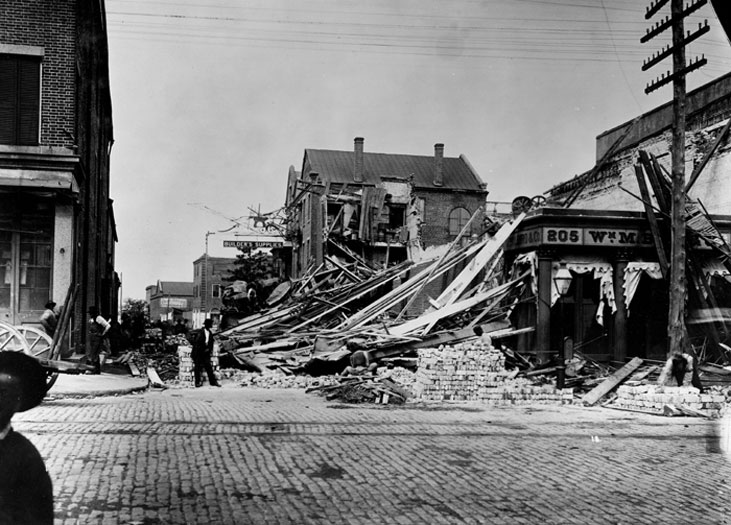
February 18, 1865 - The Darkest Day in Charleston History

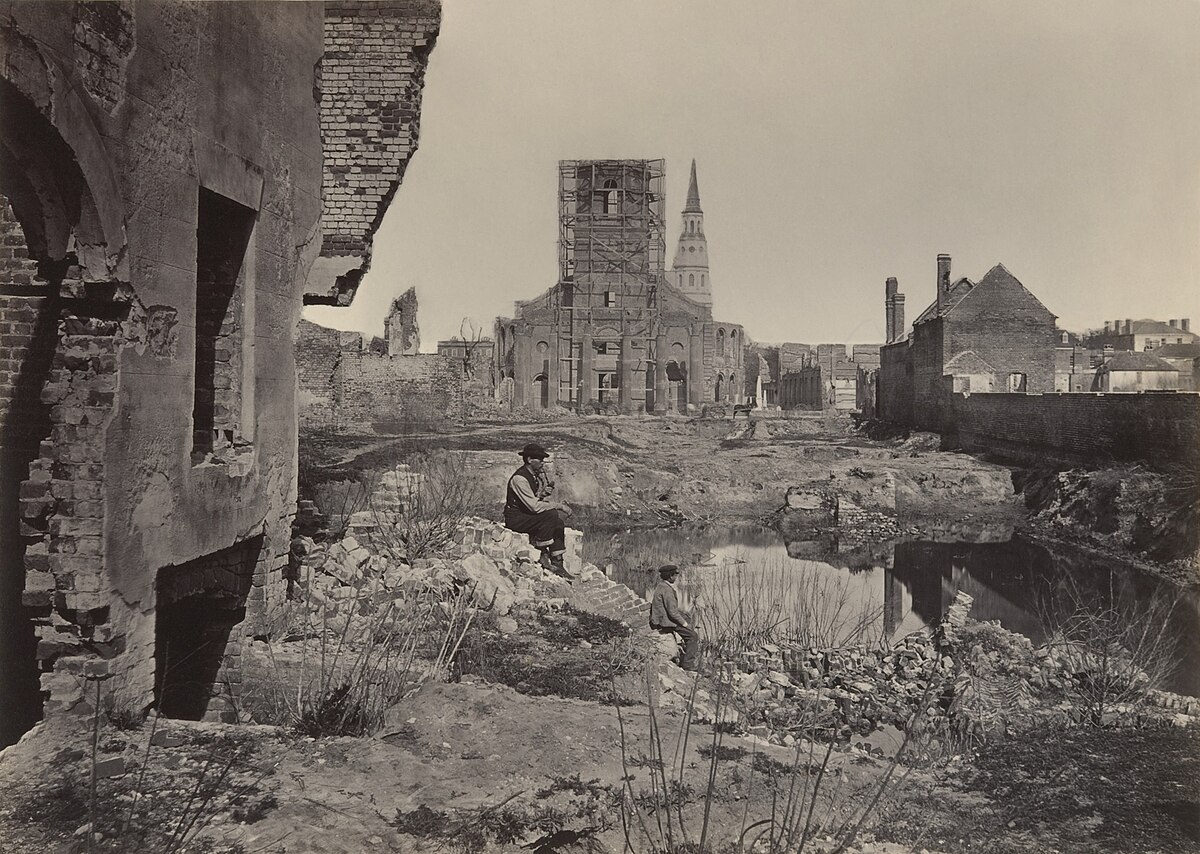
February 18, 1865 was the end of one era and the beginning of a new one for Charleston. For those of you "from off" who know that the Civil War--that is, the War Between the States--is a big deal in the South but you aren't really sure why that is after all this time, let me tell you a little story.

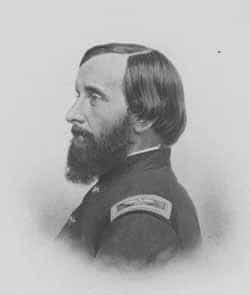
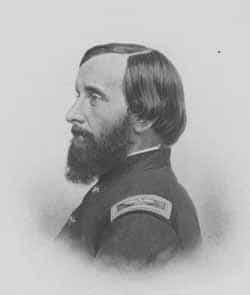
At that date Charleston had been under Federal Bombardment since August 8, 1863, a total of 587 days. ( Fort Sumter had been shelled even longer,  since April). General Quincy Gilmore with his Federal Troops, using African-American soldiers, had worked his way up the coast and had finally seized Battery Wagener and Morris Island . From there he commenced to bombard Fort Sumter at close range and the city at a distance using new technology, cannon with a rifled shaft. The rifling allowed cannonballs to be hurled as far as six miles, twice the previous range. These guns were aimed at the city and its civilian population. They were nicknamed "The Swamp Angels".

The civilian population in the lower city were ordered to evacuate as far north as Calhoun Street. People scattered to the countryside . The bombardment continued but the city refused to surrender. General Gilmore had taken a lot of heat for bombarding civilians in the Northern Press and in Congress, utilizing the same "Total War" approach that prompted Sherman to burn Atlanta. In May of 1864, he was transferred to the Army of the James and was replaced by Alexander Schimelpfennig, a Prussian with no reservations about the siege campaign.
\
The stalemate continued until the very end, and Charleston surrendered not because of Federal advances here but rather General Sherman's burning of Columbia two days earlier (February 16) which destroyed the last transmission lines between Charleston and the outside world.
Confederate General Hardee's orders were in such a contingency to evacuate the city. And so, Hardee ordered his men onto boxcars at the Wilmington Depot at the corner of East Bay and Chapel Streets. Sherman had destroyed the rail lines west at Branchville, and north to Wilmington was the only option.

General Hardee was leaving nothing behind for the Yankees. Perhaps the city had resisted so long because of General Beauregard's "Ring of Fire" , eight batteries strategically arranged around the harbor that provided withering resistance to Yankee attempts to raid the Harbor from the ocean. Those guns had to go! They were spiked and deafening explosions were heard throughout the city even as word spread of the ongoing evacuation.

Neither would the cotton fall into enemy hands. Gathered and piled into pyres at Citadel Green, the cotton burned, a symbolic burnt offering to a way of life careening to a close. The eerie glow from the fire and the black pall of the smoke added to the sense of panic as people fled to the streets, rumors spreading that the Yankees were already burning the city as they had Columbia. Although that fire was a controlled one, when the bridge west over the Ashley River was ordered blown up, fire from that explosion did in fact catch to inhabited neighborhoods uptown. It is ironic that as rumors spread of Yankees burning the city, it was General Hardee's orders that made the burning a reality.

And so the bitter cold, rainy night commenced with a spree of looting and vandalism. Rumors spread that the evacuating troops had left food on the platform at the train station. They had also left bad gunpowder. As a desperate populace stormed the Depot looking for food, children played with the gunpowder,  carrying handfuls across the street  to watch it flare in a makeshift fire. They created a powder trail that led back to the Depot and that flaming trail ignited an explosion that killed approximately 160 people instantly. During 587 days of siege, only 53 persons had died as a direct result of the Federal shelling. Three times as many died on evacuation night.

Early the morning of the 19th, General Quincy Gilmore received George Williams, emissary from Mayor Macbeth, with a letter of invitation from the Mayor requesting that he take possession of the city and establish order. I can see the post script to the letter (BTW, General Hardee took the last train out last night)  Although General Schimellpfennig was still here, ill with malaria,  Gilmore had arrived back in Charleston on February 10, ostensibly to accept a pending surrender, a "save face/restore honor" move.  Imagine Gilmore's rage and disappointment to receive a letter of invitation from the Mayor! With no formal surrender and no sword to be handed over, Gilmore was a bitter man.

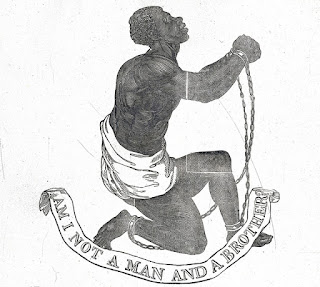
 Federal Troops entered the city that afternoon led by the Fifty Fifth Massachusetts Regiment, black Yankee soldiers, much to the horror of the remaining white population, As they led the troops down Meeting Street, their standard was not the Stars and Stripes, but a flag which read "Liberty". White Charlestonians are confused by the jubilation of their servants at their new freedom. Jacob Schirmer, a local white businessman, writes in his diary, "We have writ our own destruction, and now we must live with it".
Comments

Some History on Chicora Park, aka the Officer's Housing Historic District at the Navy Yard.

.
Plat of Chicora Park, the design of Frederick Law Olmstead
Theneighborhood where the Officer’s Quarters are located, designated in the Noisette Master Plan as the Offier's Housing Historic District, is beautiful rolling highland unusual for the Lowcountry.  In1895, the City of Charleston Board of Park Commissioners purchased nearly 600acres of Retreat Plantation bordering the Cooper River some four miles north ofthe city and by 1896 designated the new development as Chicora Park. Establishedjust east of the Inland Trail, the Trail itself was a vital route of commerce,carrying goods between the sea coast and the Midlands of South Carolina.  The famed Olmstead brothers, Frederick Law and James, were hired to design it,and the street plan for the Officer’s Housing was part of the initial design. Frederick Law Olmstead was famous for designing fine parks and residentialdistricts in garden settings. Among his accomplishments are Central Park in NewYork and the Riverside Avondale District in Jacksonville Florida. As the visionfor Chicora expanded, the existing Turnbull Plantation was incorporated intothe plan. In 1897 a rail line and a passenger station extended tracks fromdowntown Charleston  to Chicora Park. Itwas an ambitious project with salt water lagoons and landscaped gardens. Apavilion had been built and many Charlestonians took the trolley to the park topicnic and dance on summer evenings  There was a bandstand and a smallzoo.  With the zoo in place, a caretakers cottage was built, and thatstructure  is today known as Quarters F.In 1899, more land was acquired for a golf course. Chicora Park was Charleston’sfirst urban planning effort as well as its first substantial experience withprofessional landscape architects.

Quarters F
In1900, when the Federal Government was scouting the southeast for a site toexpand a navy Yard, Port Royal near Beaufort was a top contender. The City ofCharleston successfully lobbied for the new Base and On 12 August 1901, theNavy took possession of the property.  Captain Edwin Longnecker, representingthe Navy, had arrived in Charleston from Washington the day before, accompaniedby the government paymaster. On the afternoon of the twelfth, they took thetrolley to the site and made a final inspection of the property.  Oncethis was done, a check in the amount of $34,307 was given to the city for 171acres of Chicora Park and one for $50,000 to Mrs. Celia Lawton’s representativefor 258 acres of the old Marshlands Plantation.  The City conveyed the 760acres of marshland to the south to the Navy for one dollar.  The destiny of Chicora Park was foreverchanged. On April 8, 1902, President Theodore Roosevelt visited Charleston and statedthat Charleston would be an ideal place for a naval base. Construction beganshortly thereafter. Over the next decade, the United States Navy tookpossession of 1,575 acres along the west bank of the Cooper River, consumingthe Park through its expansion. For the next 95 years the naval presence in thearea defined the development of what we now know as North Charleston. 

Comments

Explore and Discover Charles Towne Landing this coming weekend!

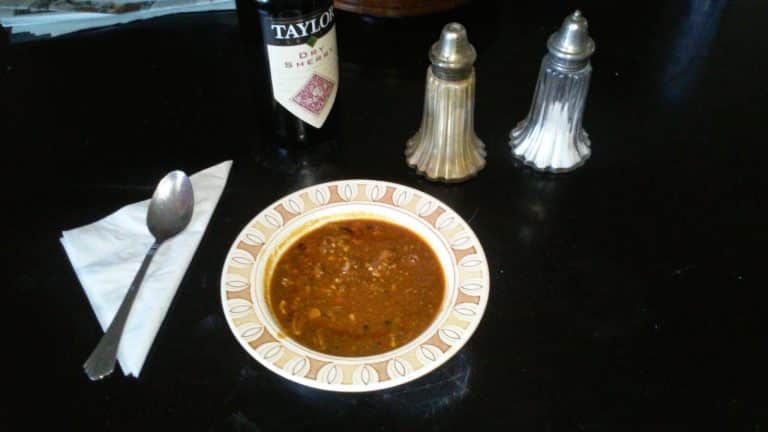
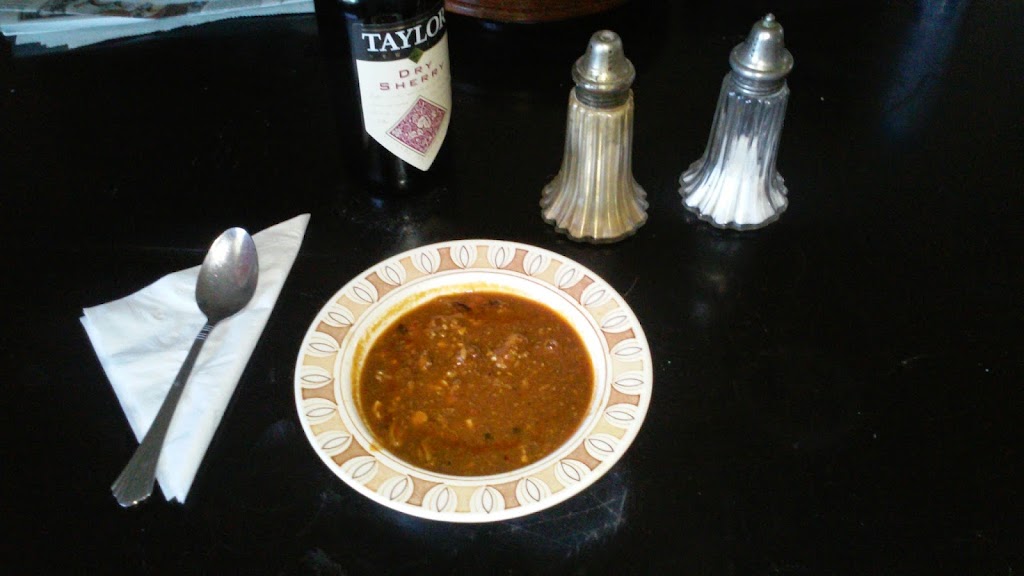
 Don't you love February? Restaurant week in Avondale is ongoing. Poogans Porch has their 1979 Rollback--I did that last Friday---loved it! BTW,their she crab soup , with a dollop of sherry on the side, reminds me very much of the soup served years ago at the Springtime Tea Room at the Confederate Home.
 And Charles Towne Landing is HALF PRICE this weekend for residents of Charleston, Berkeley and Dorchester Counties, so adults get in for $3.75 and kids $1.75. CTL is in my mind a neglected resource, and many of us locals haven't been back to the "new and improved" Landing. Whenever I have families on my tour I always recommend Charles Towne Landing. The Museum is highly interactive and kids love it (me too!). This Saturday is Exploration and Discovery Day .with a number of free programs appropriate for all ages. Young parents, old parents, grandparents, this is just the kind of opportunity that can instill in children a love and curiosity for history, so get get out there with  the kids this weekend. Yes, the Adventure is in and the Animal Forest is always a favorite. I understand there is even a "behind the scenes tour" of the Animal Forest being offered.
 For you Camellia fans (see last post) Fernandina Waring planted literally hundreds of acres of fine old gardens with huge Camellia bushes . She planted many of the old early varieties and a lot of early spring varieties, so there should be a good show by now.For further information , go to www.charlestowne.org
Oh, and remember, (a plug here) that Charleston Old Walled City Walking Tours are always $4.00 off for tri-county residents and FB friends!
Comments

Camellias in Full Bloom at Magnolia Gardens!

Sunday, some guests  on my Home and Garden Tour  told me that they went out to Magnolia Gardens and that the Camellias are in full bloom! Not surprising, the mild weather has made it so that our deep winter bloomers aren't being taken out by the cold. Camellias are thought to have been cultivated in China for at least 5,000 years. Camellia sinensis is the common tea plant.
Camellias first arrived in America as hothouse specimens in Philadelphia in the 1740s. In 1786, Andre Michaux, French botanist and Botanist to King Louis XVI, established a Botanical Garden north of Charleston approximately where the Airport is today, hence Michaux Parkway.  He gave to his friend and patron Henry Middleton four camellias to plant at the corners of his parterre garden, at least one if which still survives.
Tom Johnson, Director of Gardens at Magnolia, takes camellias seriously, and has been collecting heirloom specimens from endangered sites and placing them in a new section of the gardens.So, if you love camellias, or just want to see some flowers in deep winter (?) go visit Magnolia Gardens on one of these pretty days.
BTW, we all know that February is Black History Month. In that theme, this coming Saturday, February 11, Magnolia will feature a Black History Month Event, "From Slavery to Freedom" with more than a dozen separate events highlighting the roles and presence of African Americans in plantation culture. Admission to these events are included as part of the regular $15 admission. For further info, go to the website http://www.magnoliaplantation.com/whatsnew.html
Comments

A Beautiful Day Exploring Old Chicora Park

Saturday was an ideal afternoon for the PreservationSociety’s  Oyster Roast Fundraiser. Anexcellent turnout, good oysters and beer benefited saving the Admiral’sQuarters at the old Navy Base. It was good to touch base with old friends andmake new ones! It was held on the grand lawn in front of Quarters H, grandformer Officers Quarters designed by James Olmstead, brother of Frederick Law.In the process of a remodel, Quarters H was open for touring.
 After we said our goodbyes and left the event, we explored the neighborhood. With beautiful rolling hills and swails, it is not typical Lowcountry landscape. You can feel the influence of Olmstead in the design.
We went bythe Admiral’s Quarters, grand but decrepit; truly sad to see it looking soforlorn. But it was after that that we made our greatest discovery. On the wayout, we visited another house, finely restored on the outside and used as a setfor Army Wives. It is leased , along with two others next to it, by a local 501(c ) 3 non-profit  called South CarolinaStrong.  

Their Mission Statement: 
"Our Mission is to rehabilitate criminals and substance abusers and to move people into economic self-sufficiency.SC STRONG is a residential community that is self-governed where residents learn and teach academic and vocational skills, interpersonal and social survival skills, along with the attitudes, values and self reliance necessary to live in the mainstream of society drug and crime free, successfully and legitimately."

 A great bootstrap operation! Consider that many of theseguys have felony convictions and, right or wrong, many employers just won’thire someone with a felony conviction. It is the policy of many corporate andgovernment  entities that people withfelonies are forever tainted goods. These rehabilitated  drug and alcohol addicts live in the othertwo houses and have created  a number ofbusinesses that they own and operate. Prosperity and Security go a long waytoward sobriety and clean living, so kudos to them! The house that we touredwith them is being meticulously restored as their catering and venue center.With at least five thousand grand square feet, it is sure to be a success!Check out their website at http://www.southcarolinastrong.org/


Comments

Things to do in Charleston? Well, here you are!

Just placed this ad at www.things-to-do-in-charleston.com . Great info on things to do and current events etc. A good community resource. Check it out!
Comments

Preservation Society of Charleston Annual Awards Program

This past Thursday night I attended the Preservation Society of Charleston’s Annual Carolopolis Awards Presentation at the old Riviera Theater on King Street. For those of you not familiar with the Preservation Society, it was founded in 1920 and pioneered the modern preservation movement in Charleston. I hate that I forgot my printed program at the meeting, (it really was informative), but they awarded at least 10 Carolopolis Awards this year, a number of them to homeowners who restored by repairing or replacing original fabric with like kind. As an old school preservationist I have been an advocate for sensitive and authentic work and I was pleased to see such efforts being held up as a “Gold Standard”.
For all you oyster fans, the Preservation Society of Charleston  is holding their Membership Oyster Roast this coming Saturday, February  4  from 2:00-5:00 at the historic Quarters A at the old Navy Yard in North Charleston. For $35, you get oysters, music and fun---chili too I guess? –PLUS an annual membership to the Preservation Society! Hey, you gotta do it! For more info and to purchase tickets go to http://preservationsociety.org
Comments

Home and Garden Tour

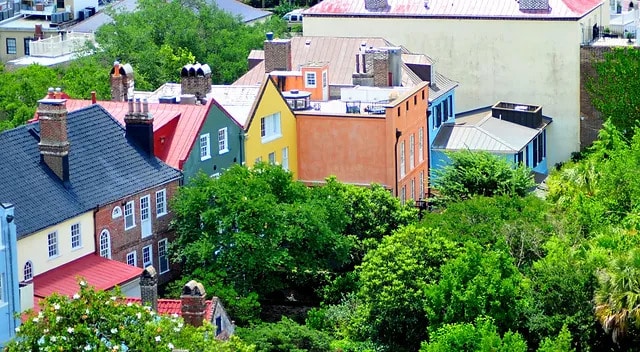
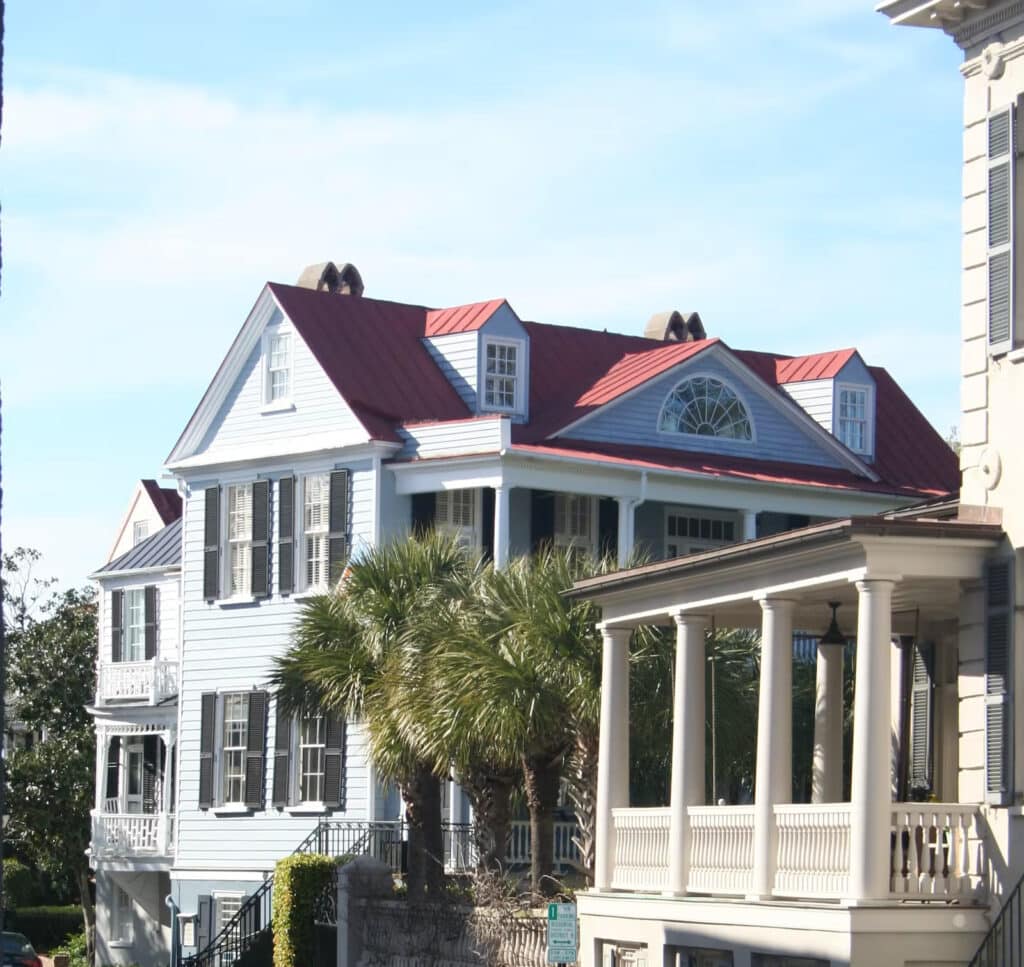
"Single houses", piazzas, earthquake bolts and north side manners! Learn about Charleston History and Architecture in relation to the built environment. We discuss not just the what but thewhy Charleston is the city it is today owing to the wealth, climate, and the many early nationalities which brought about a style that is uniquely Charleston. Learn about Georgian, Adams, Regency and Greek Revival styles and periods.
Approximately 2 1/2 hours, price includes admission to the Powder Magazine (1713), The Heyward Washington House and Garden (1772) and the Edmondston Alston House (1825).


Comments (1)
See Older Posts...